
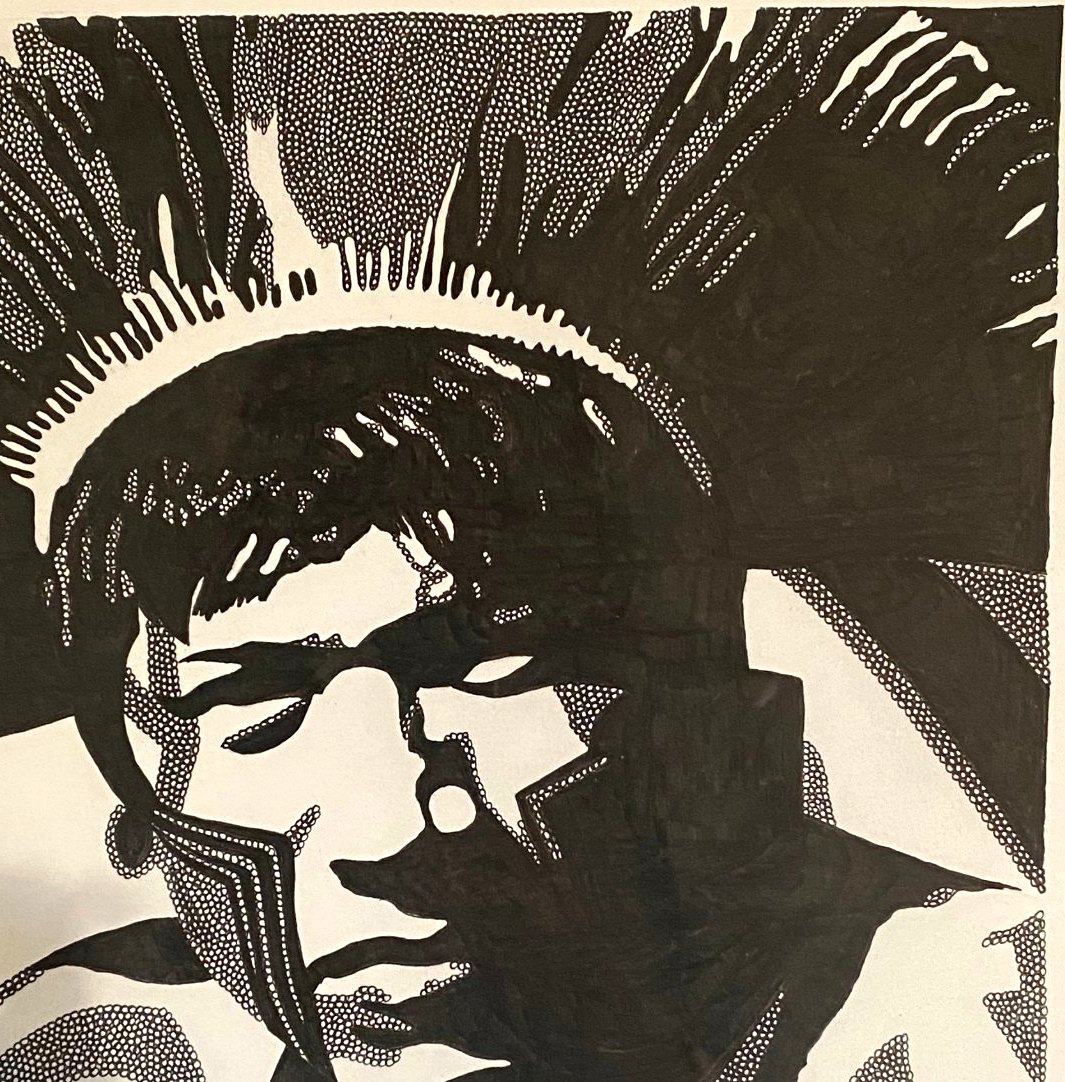
Original ink artwork by Michelle Mafra.
The longer I spend in crypto, the more it reminds me of something much older than the internet: tribal governance. The cryptocurrency world isn't one nation with one ruler. It's a forest full of tribes, each with its own language, rules, leaders and beliefs. And like any forest, not every tribe will survive.
I'm Brazilian, and I visit Bahia every year. I've also had the privilege of being in contact with Yanomami people. Those experiences taught me that tribes are not frozen in the past. They are living, sovereign communities making choices about their future every day, which is exactly what we are trying to build in crypto.
Three pillars of a living tribe
The projects that last will look most like strong tribal societies, built on three pillars:
- Sovereignty: the project controls its own territory, its code, its treasury and its future.
- Self-governance: decisions come from within, through its own rules and its own councils.
- Community control: the people who live in the ecosystem have a real voice in where it goes.
Projects built on these pillars, the truly decentralized ones, are the ones still alive today. They are also the ones best able to "pop" in this developing ecosystem. Projects without community control will survive differently: as tools, used by many other tribes but never truly governed by their own people.
Maxis will be maxis
Every forest has tribes that choose to stay apart. Bitcoin maximalists may choose never to mingle with other tribes, guarding their territory and traditions. That is their right, and there is strength in it.
Other people will move in and out of the Bitcoin ecosystem freely, diving into new tokens for usability, trading, building, and bringing back what they learn.
Lessons from the Amazon
The Amazon shows us every path:
- The tribes who choose isolation. Brazil's Javari Valley shelters more uncontacted peoples than almost anywhere on Earth. They protect their way of life by staying apart, like the purest maxis. Their survival depends on their territory staying protected. In 2011, Brazil's FUNAI released rare aerial photos of one of these isolated groups (see the photos on The Week, credit: Gleison Miranda/FUNAI/Survival).
- The tribes who adopt new tools while keeping their identity. The Paiter Suruí, led by Chief Almir Suruí, partnered with Google Earth to map their land and expose illegal logging, and later created a forest carbon project. They used new technology to defend their sovereignty, not to give it away. That is exactly what the best crypto communities do.
- The tribes who organize and speak for themselves. Peoples like the Kayapó became famous for taking their own cameras and their own voice to the world. In the language of crypto, they ran their own governance and their own media.
Survival of the fittest, and the ones who evolve
In the end, it is all about survival of the fittest. And the fittest are not the strongest or the loudest. They are the tribes that are able to evolve with the technology over time, without losing their soul.
The question for every project and every holder is: which tribe are you building, and will it still be standing when the forest changes? 🌿
My opinions are my own and not investment advice.
Sources: Chief Almir and the Suruí tribe (Google) · Google helps protect Amazon rainforest (Mongabay)